Lorem ipsum dolor sit amet, consectetur adipiscing elit. Duis dapibus rutrum vulputate. Mauris sed eros nec est vehicula mattis ac vitae ligula. Maecenas vitae tristique sapien, vitae pellentesque lectus.


In a world driven by high-tech vehicles and digital tools, dogsledding remains one of the most reliable and time-tested methods of navigating harsh winter environments.
For scientists, researchers, and support personnel, fieldwork in remote locations offers more than just data collection, it’s a physically and mentally demanding adventure. From studying glaciers and wildlife in the Canadian Rockies to tracking permafrost shifts in the Arctic, remote scientific teams are often the only humans in vast wilderness zones.
If you’re drawn to discovery and don’t mind frostbite, bear tracks, or isolation, working with remote research teams could be the most rewarding job you’ll ever take.
Remote research careers vary widely, from field technicians to logistics staff to principal investigators. No matter your role, remote readiness is essential. You must be prepared to live off-grid, carry your gear, manage safety risks, and keep critical instruments – and yourself – operational in harsh environments.
Academic background depends on the field – biology, climatology, glaciology, ecology, geophysics – but operational competence in the outdoors is often just as important.
Fieldwork can range from a few weeks to months-long remote assignments. Most positions are contract-based or seasonal, though some turn into long-term research careers.
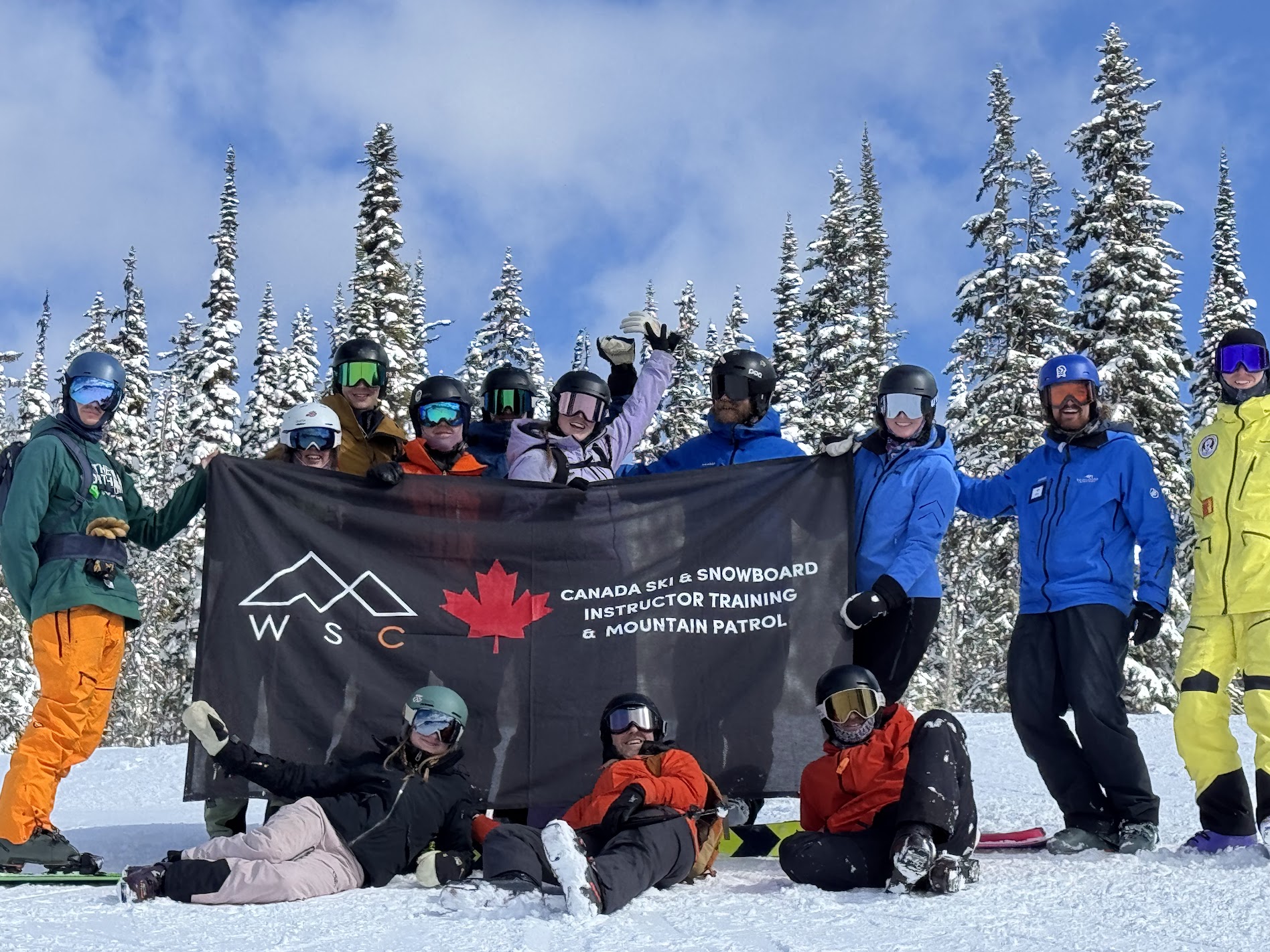
WSC specializes in training people to thrive in unpredictable, remote, and high-risk conditions – making it a perfect launching point for those headed into field research roles.
You can:
If you’re a scientist with a strong academic background but limited backcountry training, WSC can help close the gap between knowledge and field readiness.
If your next career step leads to glaciers, tundra, or alpine ridges, start with the fundamentals: emergency care, avalanche safety, and navigation. These skills will support your research and protect your team in the field.
Ready to build your expedition toolkit? Reach out to Winter Sports Company to explore training pathways for field techs, wilderness medics, and scientific professionals venturing far beyond the lab